How Building Surveying Works Step by Step

Building surveying captures the actual condition of a structure without relying on outdated or inaccurate documentation. To create reliable and detailed outputs, it is usually necessary to survey both the interior and exterior of the building. The entire process is designed to be efficient, accurate, and minimally disruptive.
1. Initial Consultation and Preparation
The process begins with a short consultation to define:
- the purpose of the survey
- the scope of the building
- the required outputs
Based on this information, an appropriate surveying method and workflow are selected.
2. On-Site Surveying – Interior and Exterior
The survey itself takes place directly on site. Depending on the type of building, we survey:
- interiors (rooms, corridors, technical areas)
- exteriors (facades, structural elements, surroundings)
Surveying can be carried out during normal building operation, following a structured approach to ensure complete data capture.
3. On-Site Data Verification
During the survey, collected data is continuously checked for completeness and quality. This allows any missing areas to be captured immediately, avoiding the need for additional site visits.
4. Data Processing
After the on-site work is completed, the collected data is processed and used as a basis for:
- 2D technical drawings
- 3D models
- BIM documentation
- digital building passports
Accuracy and clarity are key priorities during this phase.
5. Review and Finalization
Before delivery, all outputs are reviewed to ensure they accurately reflect the actual condition of the building and meet the project requirements.
6. Delivery of Documentation
The final step is the delivery of agreed outputs in the required formats. The client receives reliable documentation ready for further design work, decision-making, or building management.
Anonym
Related Articles
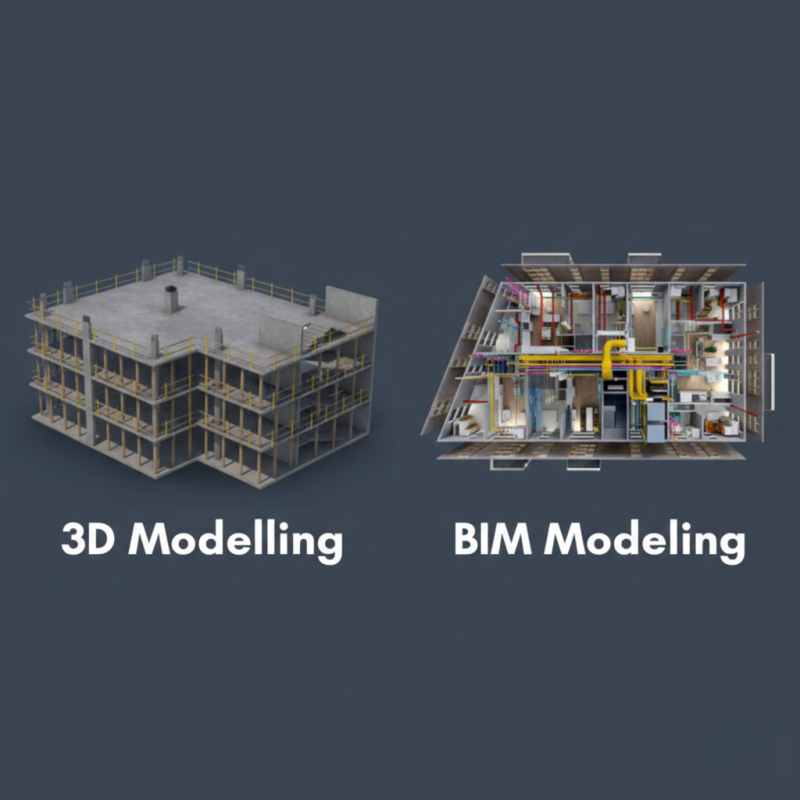
BIM in Practice: How it works in Real Projects
Building Information Modeling (BIM) is transforming the construction industry by changing how buildings are designed, built, and managed. This article explains how BIM works in practice and highlights its real-world benefits based on actual projects.

DJI Mavic 3M: Aerial Surveying for Building Documentation
Aerial surveying has become an essential part of accurate building documentation. Using the DJI Mavic 3M drone, we can efficiently capture hard-to-reach areas and complement ground-based surveys without complex technical interventions.